Sewer Backup Cleanup
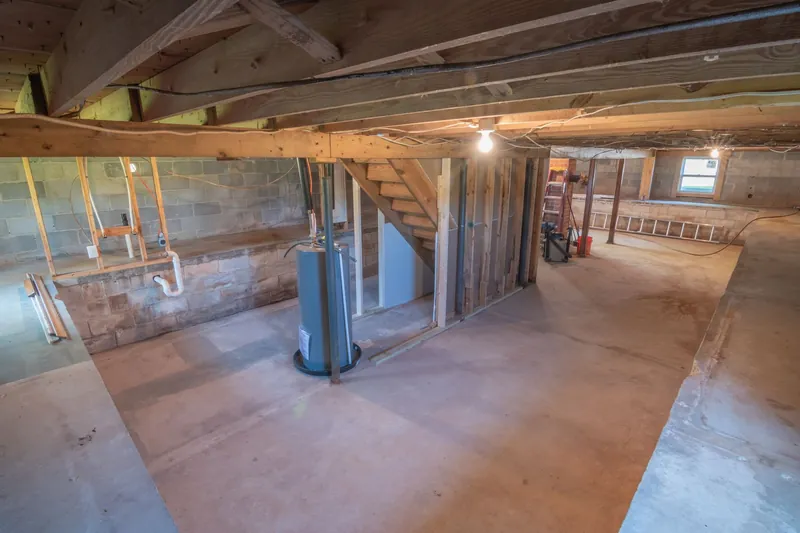
Basements, lower levels and floor drains receive cleanup after a sewer backup.
See sewer backup cleanupGet Category 3 black water removed from a home, apartment, rental or business in Riverside. Sewage cleanup includes contaminated material removal, cleaning, disinfection, odor control and structural drying.
The work removes Category 3 black water and material contaminated by raw sewage. It then covers thorough cleaning, structural drying, disinfection and treatment for odor.
Sewage can enter through a backed-up toilet, shower or floor drain, a broken sewer line, or an outdoor spill. It may contain human waste, bodily fluids, bacteria and other hazardous materials. The visible water is only part of the problem because liquid can move under flooring, behind baseboards and into nearby rooms.
Once the sewage flow is stopped, a cleaning service deals with the remaining contamination. Work may cover extracting water, discarding porous material, cleaning surfaces, checking moisture and drying the space. An EPA-registered disinfectant is applied for all of the contact time on its label. Pipe and blockage repairs belong to a plumber. After that repair, cleaning services address the affected areas and dry them.
Personal property is grouped according to what items are made of and how sewage affected them, separating cleanable possessions from those unsafe to retain.
Calls are answered day and night. You can explain the source, affected areas and immediate hazards, and crews can arrive in unmarked vehicles.
Before the cleanup process proceeds, you learn which water and materials require extraction, cleaning, removal, drying or documentation.
Records can be arranged for property owners, managers and insurance companies, including moisture measurements, photos and a task-by-task scope.
Contamination left by wastewater inside a building, beneath it or outdoors can call for professional sewage cleanup. Common examples are:
A backup affects a store, office, apartment building or other business and requires controlled access, cleanup and drying.
Wastewater containing human waste escapes a toilet, or the overflow travels outside the bathroom to nearby rooms and halls.
A sewer or floor drain backup sends black water across finished floors, concrete, walls or property kept in storage.
When pipe damage or a sewer backup affects the area below a home, soil, insulation and access constraints can hinder cleanup.
Before any cleaning, focus on keeping people from exposure and preventing more wastewater entry. Start with these steps:
Call (888) 440-9227Bob Vila's guide shows $2,000 to $10,000 as the range for most homeowner jobs. The Category 3 figure from BioCleaners Directory is $2,500 to $10,000 and applies to the dirtiest water. Both are comparison guides, not an offer. Your final amount depends on wet square footage, tear-out, drying and disposal.
The figures shown are national ranges from published cost guides and are not based on an on-site visit. An on-site assessment determines your property's price, which is explained to you before the cleanup starts.
Ask about cost: (888) 440-9227Coverage is determined by the backup's cause and by the exclusions, terms and limits of your insurance policy. Report what happened without delay. Ask about coverage for a drain or sewer backup, and wait for specific directions if site conditions permit.
Photos, moisture readings, an itemized scope and disposal records can help your insurance company assess the claim. Keep copies of messages and your claim number.
Sewer and drain backups may receive different treatment than other water losses under a standard policy. Find out if you purchased sewer backup coverage and whether it applies to cleaning, removal and restoration work.
Who is responsible may be determined by the cause, where the problem happened and terms in your lease. Tell the property manager or owner about the condition and preserve your records.
The property owner generally covers cleanup expenses when insurance excludes the loss. Ask for priorities, identify work that can be postponed and learn how adjustments to the scope receive approval.
Sewage remediation uses an ordered process. The work isolates the contaminated zone, extracts black water, cleans exposed areas and verifies that the structure is dry. Trained technicians manage each stage from beginning to end. Since the scope is based on every surface and material reached by wastewater, the plan must fit the specific damage.
Cleanup technicians inspect the source area and surrounding areas, identify materials touched by wastewater and document the initial condition.
The work zone is kept apart from clean spaces, access is controlled and cleanup personnel wear exposure-specific protective equipment.
Standing wastewater is extracted with equipment intended for contaminated water, and recoverable liquid is kept from spreading to clean rooms.
The affected area is cleared of soaked carpet, padding, insulation, drywall and any other absorbent material that cannot be cleaned completely.
After cleaning the remaining nonporous surfaces, technicians apply an EPA-registered disinfectant and follow its labeled contact time in full.
Removed material is contained and taken away according to the rules that apply to the waste and the location. Those requirements determine its legal status, including any classification as hazardous waste.
Drying begins after surface cleaning and contaminated material removal, using dehumidification, moving air and moisture readings as guides.
The cleaned space is checked for remaining moisture, odor and missed damage before restoration services move forward with new flooring, drywall or insulation.
Call any hour. A raw sewage cleanup specialist answers, explains the steps and agrees a start time with you.
Treat any large or expanding raw sewage backup as contaminated water, not a routine household spill. Contact may expose you to harmful microorganisms and contaminated belongings, while moisture can remain hidden.
Raw sewage has the Category 3 black water classification. Anything exposed to sewage needs a contamination-focused cleaning process because routine water extraction or mopping is not sufficient.
Sewage may spread under floors, penetrate insulation and enter cavities inside walls. Contaminated materials left behind may allow moisture and odors to persist inside the building.
Sewage water can carry viruses, bacteria and parasites. Prevent skin exposure, splashing and contact with contaminated dust, while keeping loved ones with health concerns away from the affected area.
Can you clean it yourself? A minor spill limited to an intact hard surface outside might be manageable if the source is stopped, electricity poses no danger, and you can contain runoff while preventing exposure. Do not mix cleaning chemicals. Raw sewage that soaks porous materials, travels inside, reaches a crawl space or lacks clear limits calls for professional sewage cleanup. Do not enter while crews limit exposure and finish the cleanup.
The safe length of a sewage cleanup varies by the situation. Extraction, removal, cleaning and drying all must be completed, and restoration cannot move forward until supported by moisture measurements and a final check of the space.
| Scene | Typical time on site |
|---|---|
| Limited hard-surface sewage spill | Inspection comes first, followed by extraction and cleanup |
| Sewage backup with porous material | More time is needed for structural drying and removal |
| Multi-room or crawl space sewage contamination | How far sewage traveled, ease of access and drying control the timeline |
Stopping the source is the first part of sewage odor removal. Wastewater and porous materials with contamination must then be removed. An air freshener, bleach or fragrance cannot solve sewage remaining inside drywall, under floors or in moist contents.
Drying equipment is used after affected material is removed and the area is cleaned, lowering moisture within the structure. During that work, HEPA air filtration can assist with particle control. If odor persists, crews look for concealed contamination, damp material or a plumbing issue that has not been corrected. The cause should be traced at the last check, not hidden with another scent.
Category 3 black water treatment applies to raw sewage. Extraction, drying, disinfection, cleaning and decisions about contaminated absorbent materials all belong in the work plan.
A disinfectant should be registered by the EPA for the intended use and remain wet for the full contact time stated on its label.
Sewage-soaked drywall, carpet and pad are bagged and taken to an approved disposal site under local and Kansas rules, so they do not go out with household trash.
Local health and building rules can affect how a contaminated room is cleaned and when it can be used again, so mention any notice you have received from the city or county.
The full raw sewage cleanup guide covers what is cleaned or removed, odor and air quality work, and the rules that apply in your state.
Read the full raw sewage cleanup guide
Local housing, population and access details can shape containment, access and cleanup planning.
A listed distance of 2.5 miles to Ascension Via Christi Hospitals Wichita gives a practical medical reference when someone has contacted blood or waste.
In this community, identifying the correct building entrance can reduce unnecessary movement through shared spaces during a sensitive cleanup.
Your phone conversation can include questions about service in nearby ZIP codes and communities.
Basements, lower levels and floor drains receive cleanup after a sewer backup.
See sewer backup cleanup
Soaked insulation and affected soil are included in crawl space sewage cleanup.
See crawl space sewage cleanup
Disinfection accompanies human feces cleanup in public restrooms, homes and rental properties.
See human feces cleanup
Blood, body fluids and other infectious materials are removed, followed by property disinfection.
See biohazard cleanup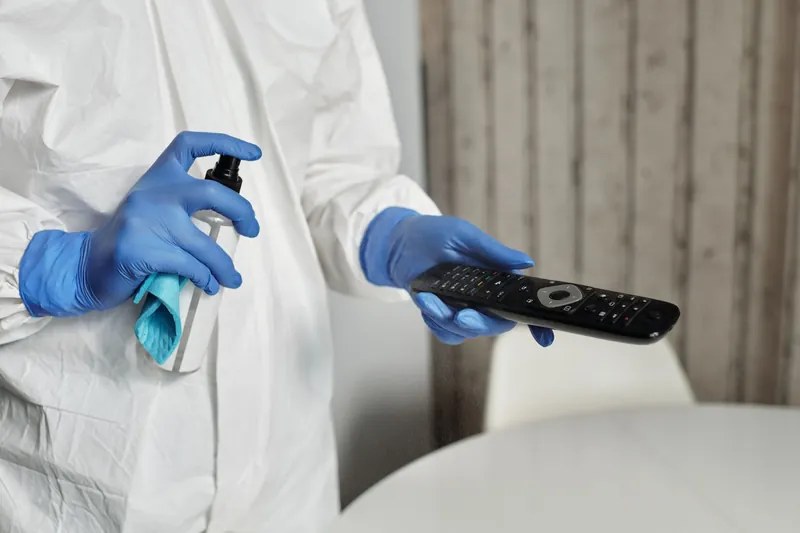
Biological remediation that removes contamination and returns a space to safe use.
See biohazard remediation
Site access and operating needs guide planning for commercial and industrial biohazard cleanup.
See commercial and industrial biohazard cleanup
Biohazard cleanup addresses Airbnb accommodations, hotels and other rental units.
See hotel, Airbnb and rental biohazard cleanup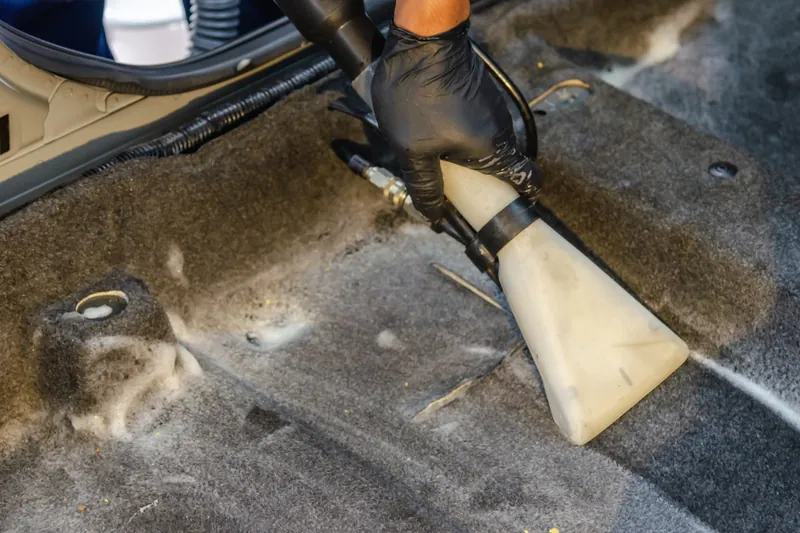
Cleanup treats biohazards on upholstery and carpeting, or removes affected materials safely when needed.
See biohazard carpet and upholstery cleaningFirst stop the underlying problem, then limit access and take out the accumulated wastewater. Sewage-exposed porous items, including insulation, might have to be discarded. Reachable surfaces are cleaned and disinfected, and the crawl space is dried and checked for moisture. Hidden pipes, difficult access or exposed soil may require adjustments to cleanup steps.
A plumber typically identifies what caused the overflow, then repairs a broken pipe, failed fixture or obstruction. Sewage cleanup services address the contaminated materials left after the backup. Confirm who is responsible for each stage, including the plumbing fix, wastewater removal, material disposal, disinfection and drying.
Before cleanup, stop using water and get the underlying plumbing or sewer issue repaired. Keep people and pets away. Professional cleanup uses a set order. After wastewater extraction and removal of porous contaminated materials, exposed surfaces are cleaned. Crews then apply a disinfectant with EPA registration for the entire contact time on its label, dry the structure and measure remaining moisture ahead of restoration.
You need plumbing or sewer help to end the backup and a sewage cleanup company to remove water and materials, disinfect the area and complete drying. If electricity may be exposed, stay out of the water and contact the proper utility or a qualified electrician before anyone enters the area.
Block access for people and animals, end the flow, and keep wastewater out of storm drains and unaffected spaces. Proper steps reflect spill size, surface type, drainage and local guidance. A large spill, repeated overflow or sewage close to structures and public places requires professional sewage removal along with guidance from the relevant local authority.
There is no single timetable that applies to every person or exposure. Do not touch the sewage. Wash skin that was exposed with soap and clean water. If sewage is swallowed, symptoms develop, or your eyes or broken skin are exposed, call poison control to learn what to do next. You can also contact a healthcare professional.
Crews carry out respectful, discreet raw sewage cleanup, arrive in unmarked vehicles and take calls 24 hours a day.